Sunday, 12 August 2012

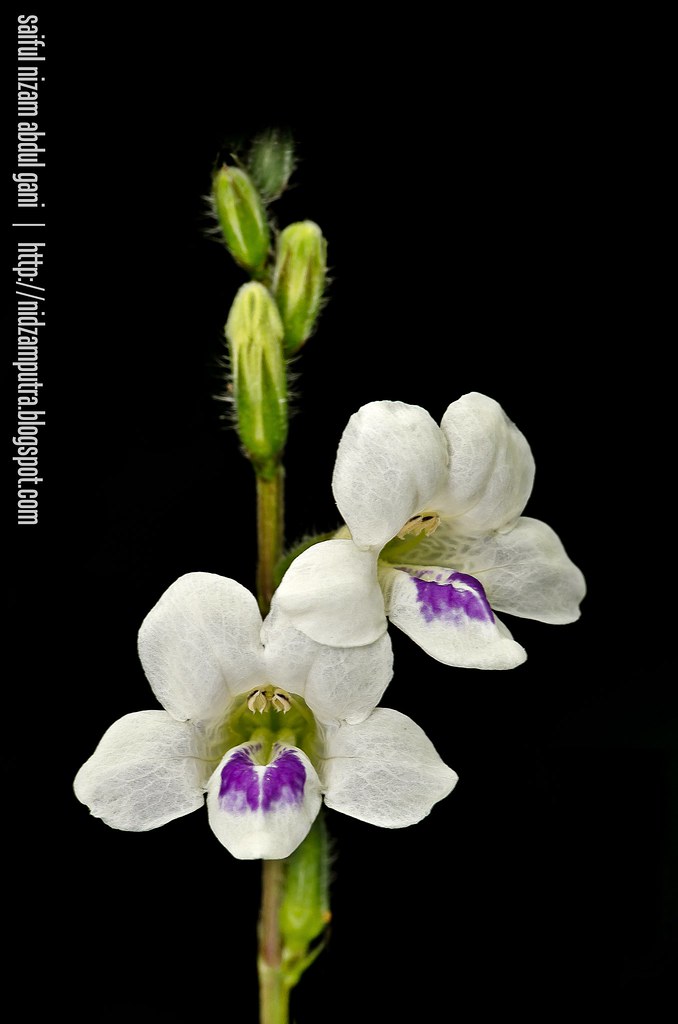
Fauna @ D'Kubang Hong

Camera - Nikon
Model - D7000
Exposure - 1/50s
Aperture - F25
Focal Length - 105mm + Raynox DCR250
ISO Value - 200
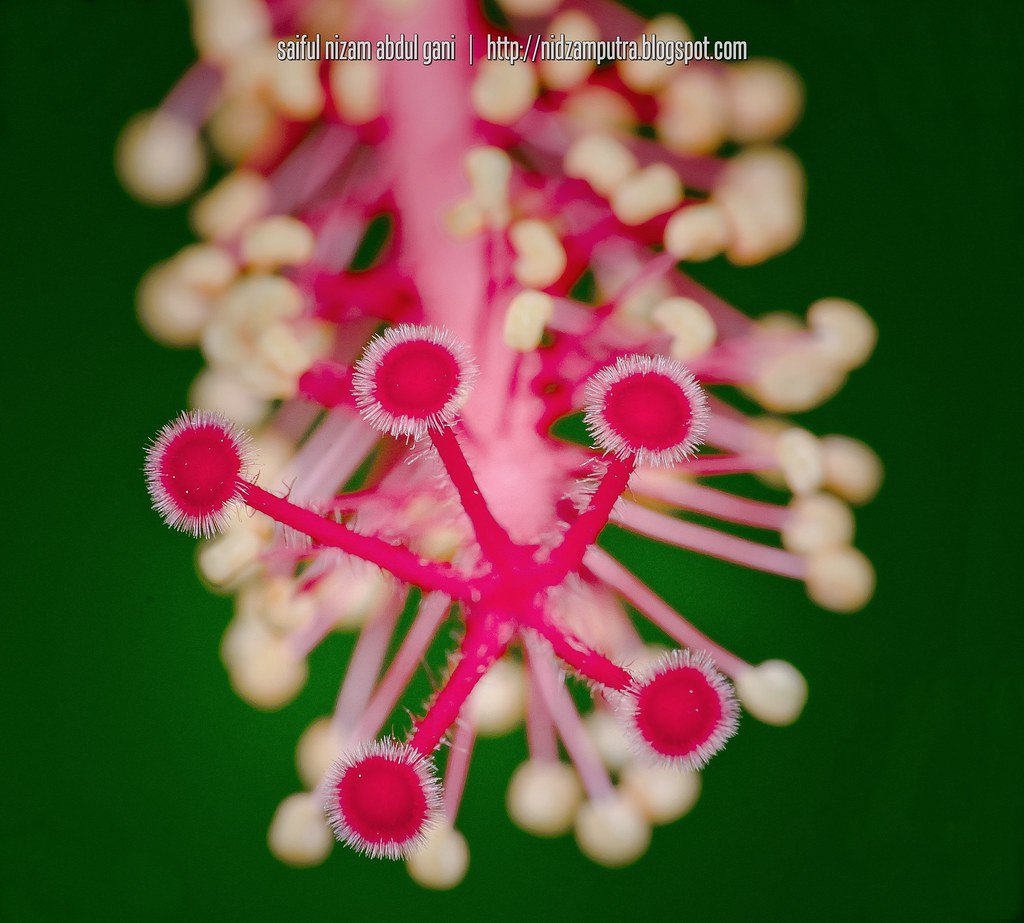
Camera - Nikon
Model - D7000
Exposure - 1/50s
Aperture - F20
Focal Length - 62mm + Raynox DCR250
ISO Value - 200
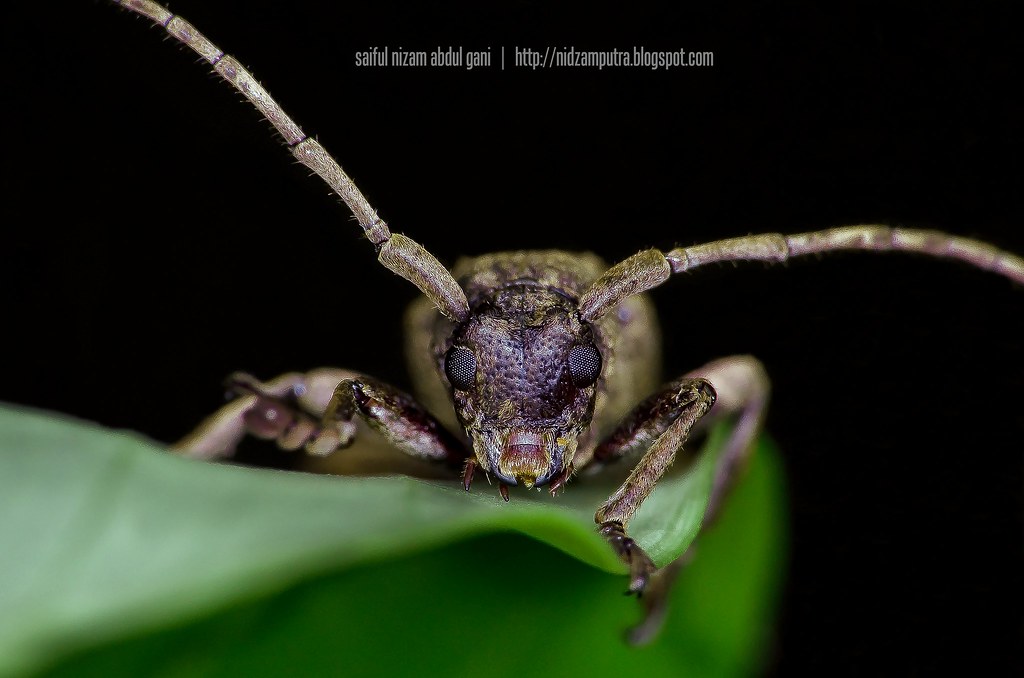
Camera - Nikon
Model - D7000
Exposure - 1/60s
Aperture - F18
Focal Length - 105mm + Raynox DCR250
ISO Value - 200
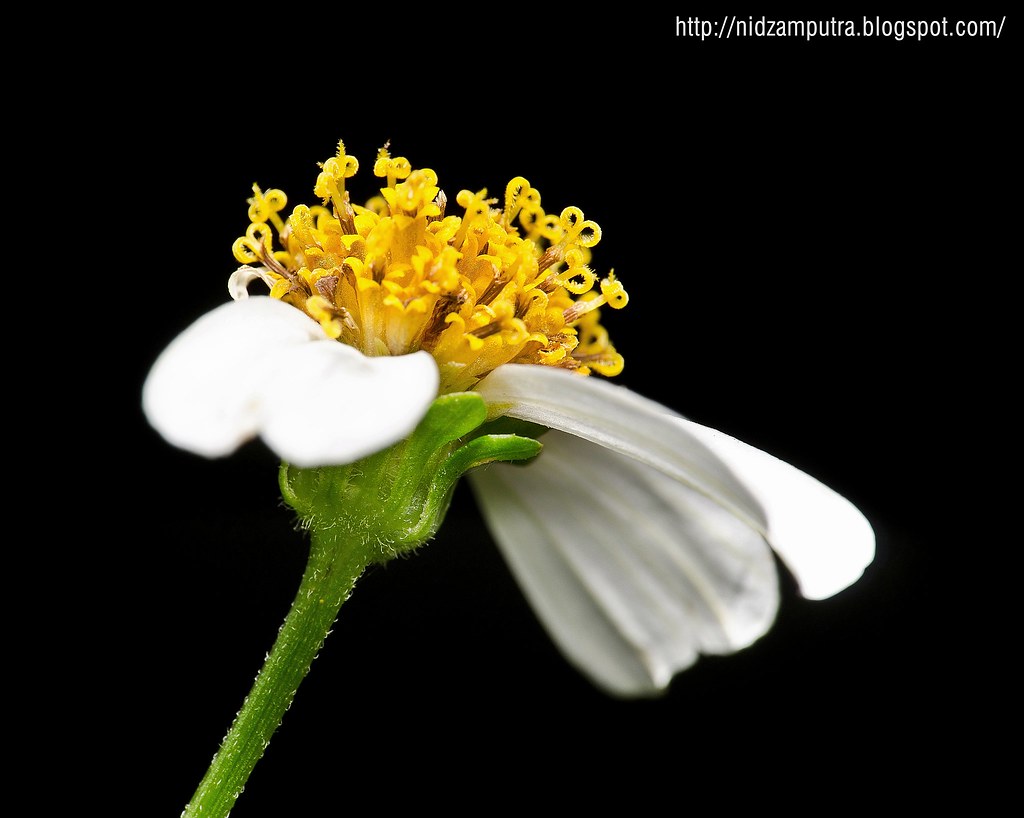
Camera - Nikon
Model - D7000
Exposure - 1/60s
Aperture - F18
Focal Length - 105mm + Raynox DCR250
ISO Value - 200

Wednesday, 1 August 2012

Benefits of Strawberries - Part II

Information

Anti-Cancer
The combination of antioxidant and anti-inflammatory agents found in strawberries is well-known to fight against the onset of many different forms of cancer. Thanks to the vitamin C, folate, and the flavonoids quercetin and kaempferol that they also contain, strawberries are a delicious defense against potentially cancerous cells. 

Healthy Eyes
The Archives of Opthalmology recently published a study in which three or more servings of strawberries (and other fruits) per day can decrease the possibility of contracting age-related macular degeneration by over one-third.

The Vigorous Vitamin C
One cup of strawberries contains an incredible 136% of the RDA of vitamin C, an effective antioxidant that can help lower blood pressure, ensure a healthy immune system, and ward off the development of age-related ocular diseases, such as cataracts and macular degeneration.
Magnificent Manganese
One cup of strawberries contains 21% of manganese, an essential nutrient that acts as a powerful antioxidant and anti-inflammatory agent. By increasing the levels of superoxide dismutase (SOD), the enzyme responsible for protecting mitochonrdria exposed to oxygen, manganese not only helps to fight the battle against free radicals and oxidative stress, but also lessens cellular inflammation -- another cause of numerous cardiovascular diseases.

Bone Health
Manganese is also great for the bones, helping in bone building and maintaining proper bone structure. The potassium, vitamin K, and magnesium in strawberries are also important for bone health 

Camera - Nikon
Model - D7000
Exposure - 1/160s
Aperture - F16
Focal Length - 50mm
ISO Value - 400
Camera - Nikon
Model - D7000
Exposure - 1/125s
Aperture - F16
Focal Length - 50mm
ISO Value - 400
Camera - Nikon
Model - D7000
Exposure - 1/125s
Aperture - F16
Focal Length - 50mm
ISO Value - 400
Camera - Nikon
Model - D7000
Exposure - 1/125s
Aperture - F16
Focal Length - 50mm
ISO Value - 400
Camera - Nikon
Model - D7000
Exposure - 1/125s
Aperture - F16
Focal Length - 50mm
ISO Value - 400
Camera - Nikon
Model - D7000
Exposure - 1/125s
Aperture - F16
Focal Length - 50mm
ISO Value - 400
 

Thursday, 26 July 2012

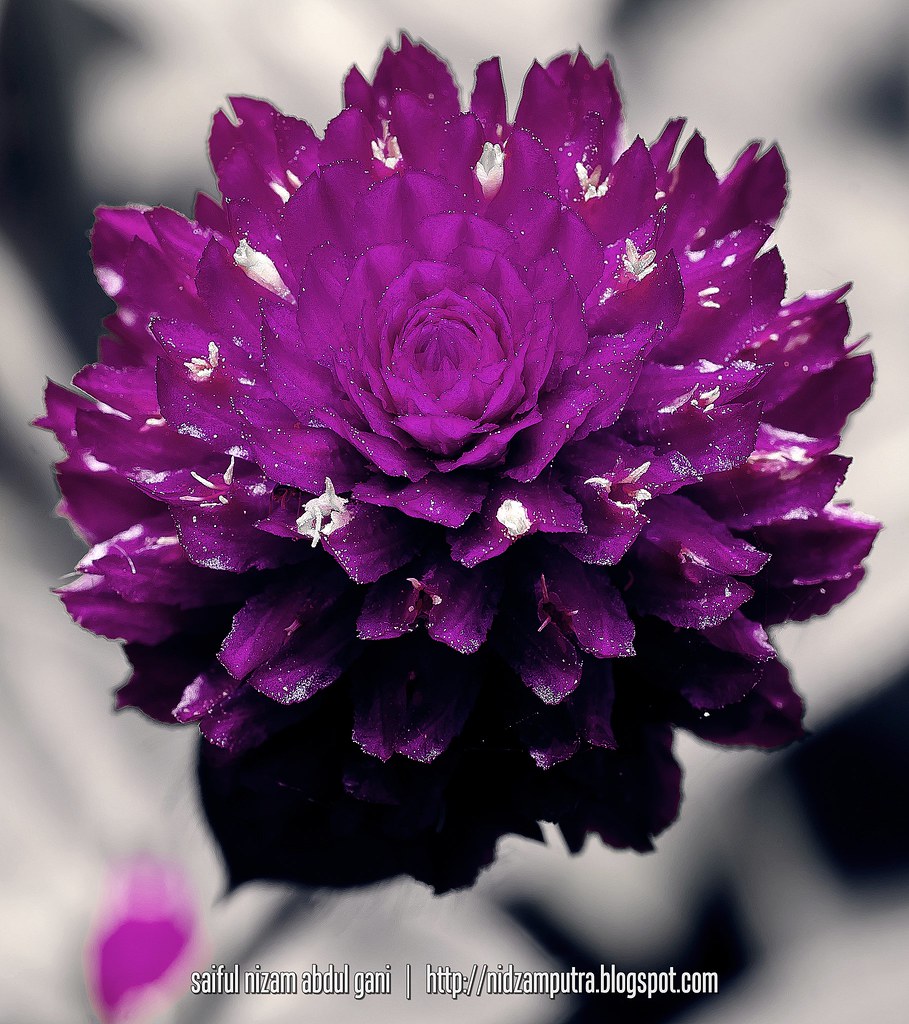
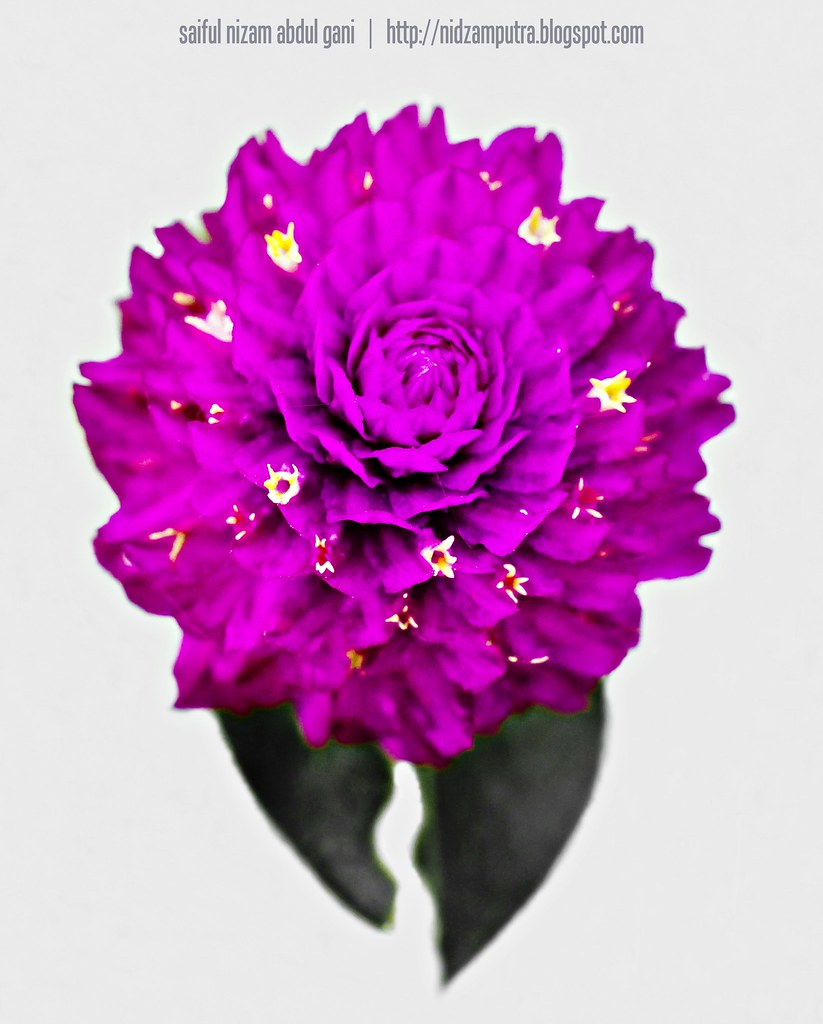
Gomphrena Globosa Or Bachelor Button

Information

Gomphrena globosa, commonly known as Globe Amaranth or Bachelor Button, is an annual plant that grows up to 24 inches in height. The true species has magenta bracts, and cultivars have colors such as purple, red, white, pink, and lilac. Its native range is in Brazil, Panama and Guatemala. Source : http://en.wikipedia.org/wiki/Gomphrena_globosa


Names in other languages
  • Hawaiian Pidgin - bozu
  • Hawaiian - lehua pepa, lehua moa loa
  • Tamil - Vadamalli
  • Malayalam - “രക്തമല്ലിക (rakthamallika” / “വാടാമല്ലി (vaaDaamalli)”
  • Sanskrit - “रक्तमल्लिका (rakthamallika”
  • Hindi - “रक्तमल्लिका (rakthamallika”
  • Japanese - Sennichikou
  • Nepali - Supadi Phool
  • Lao language - Saam pii                         
Camera - Nikon
Model - D7000
Exposure - 1/160s
Aperture - F16
Focal Length - 50mm
ISO Value - 100
Camera - Nikon
Model - D7000
Exposure - 1/250s
Aperture - F2.8
Focal Length - 50mm
ISO Value - 1000
Camera - Nikon
Model - D7000
Exposure - 1/200s
Aperture - F2.8
Focal Length - 50mm
ISO Value - 100

Monday, 23 July 2012

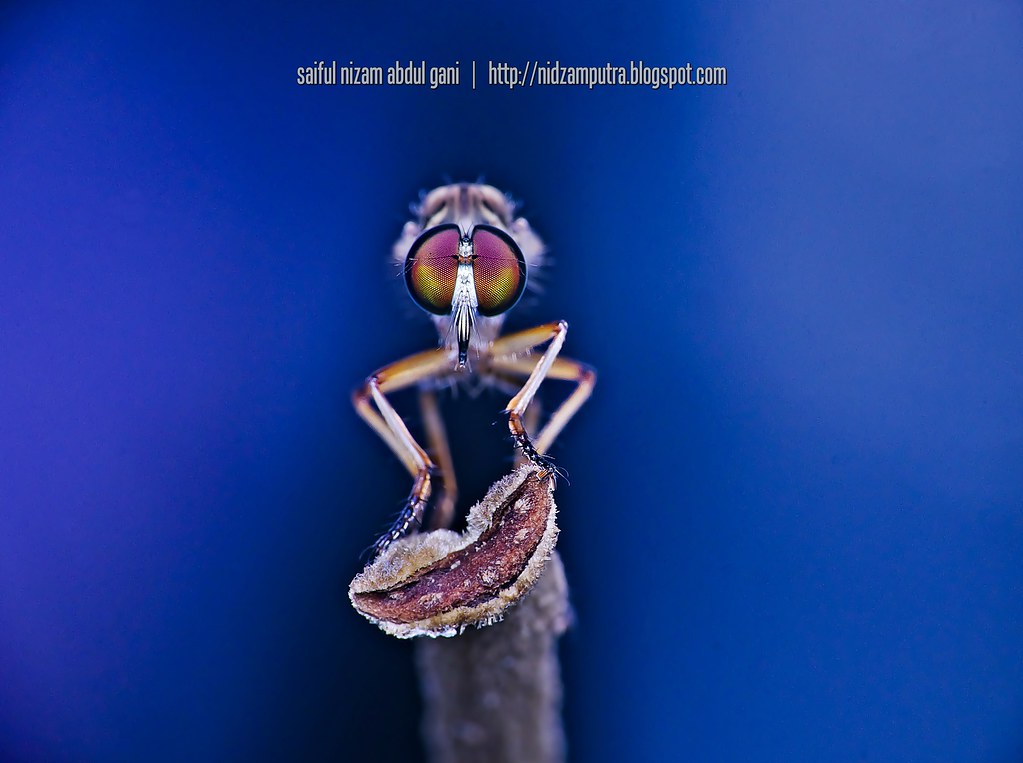
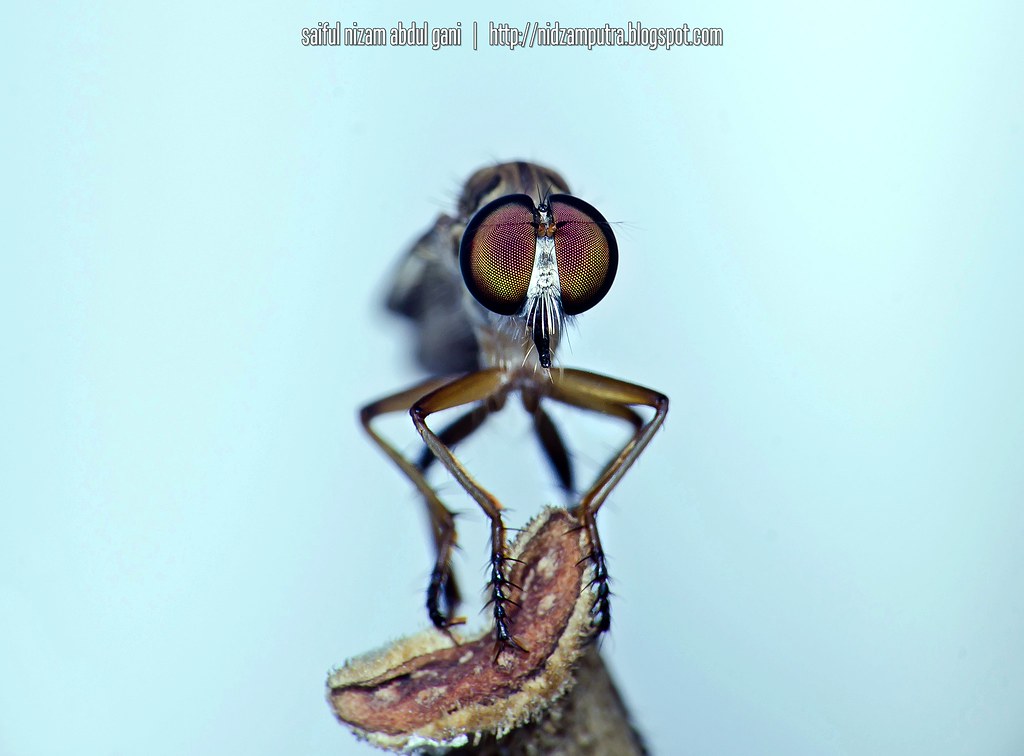
Robberfly @ Bukit Bandaraya Outing with SAM (Shah Alam Macro) Team

Camera - Nikon
Model - D7000
Exposure - 1/200s
Aperture - F16
Focal Length - 105mm + Raynox DCR250
ISO Value - 200
Camera - Nikon
Model - D7000
Exposure - 1/200s
Aperture - F16
Focal Length - 105mm + Raynox DCR250
ISO Value - 200

Thursday, 19 July 2012

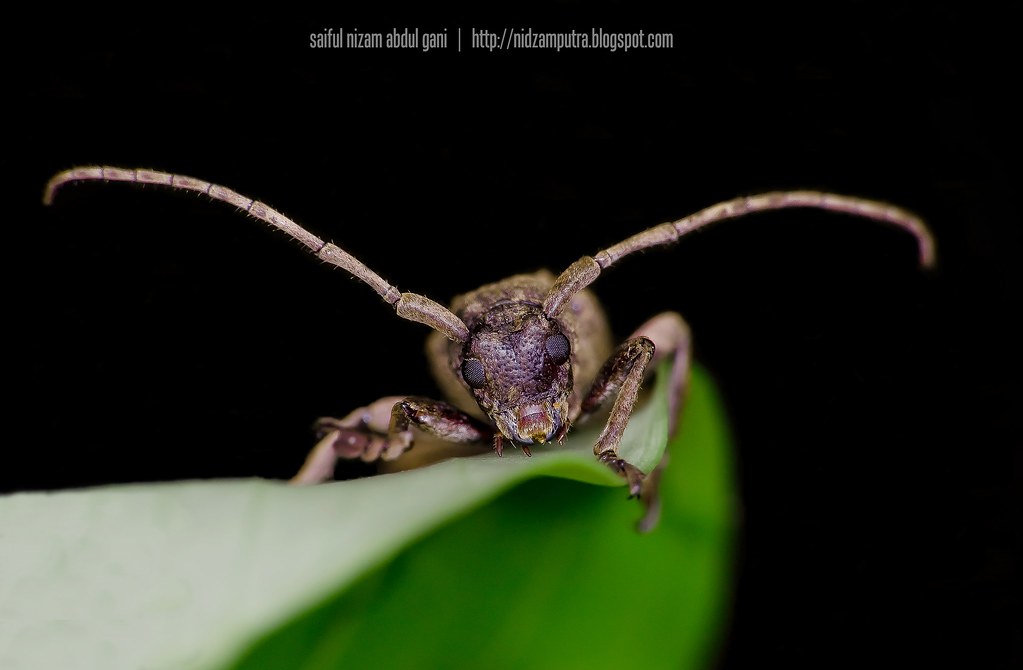
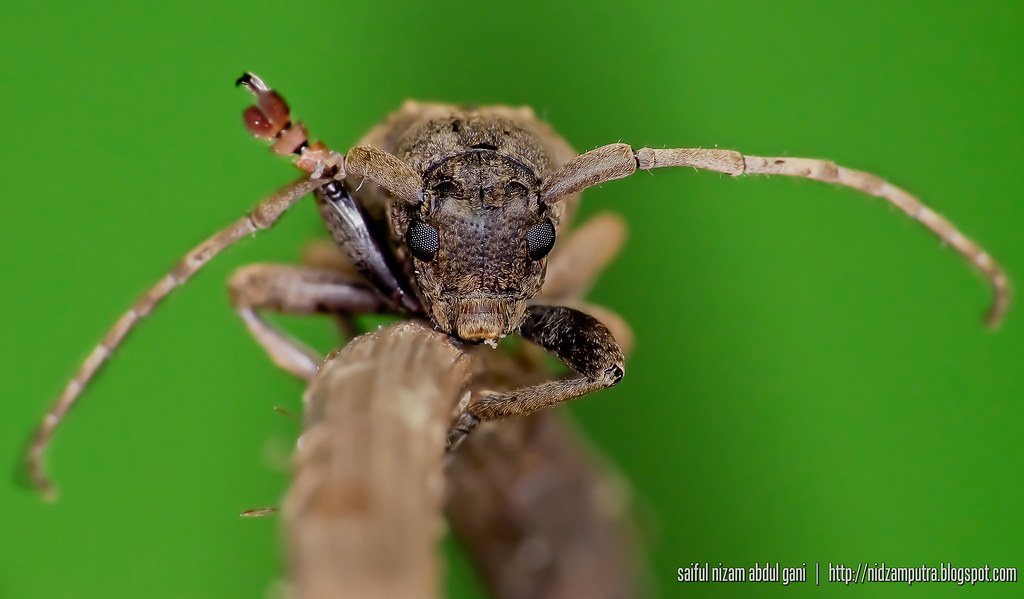
Long Horn Beetle @ Taman Rekreasi Lembah Kiara

Information

The longhorn beetles (Cerambycidae; also known as long-horned beetles or longicorns) are a cosmopolitan family of beetles, typically characterized by extremely long antennae, which are often as long as or longer than the beetle's body. In various members of the family, however, the antennae are quite short (e.g., Neandra brunnea, figured below) and such species can be difficult to distinguish from related beetle families such as Chrysomelidae. The family is large, with over 20,000 species described, slightly more than half from the Eastern Hemisphere. Several are serious pests, with the larvae boring into wood, where they can cause extensive damage to either living trees or untreated lumber (or, occasionally, to wood in buildings; the old-house borer, Hylotrupes bajulus, being a particular problem indoors). A number of species mimic ants, bees, and wasps, though a majority of species are cryptically colored. The rare titan beetle (Titanus giganteus) from northeastern South America is often considered the largest (though not the heaviest, and not the longest including legs) insect, with a maximum known body length of just over 16.7 centimetres (6.6 in). Source : http://en.wikipedia.org/wiki/Longhorn_beetle

Camera - Nikon
Model - D7000
Exposure - 1/100s
Aperture - F20
Focal Length - 105mm + Raynox DCR250
ISO Value - 400
Camera - Nikon
Model - D7000
Exposure - 1/125s
Aperture - F14
Focal Length - 105mm + Raynox DCR250
ISO Value - 400
Camera - Nikon
Model - D7000
Exposure - 1/125s
Aperture - F14
Focal Length - 105mm + Raynox DCR250
ISO Value - 400
Camera - Nikon
Model - D7000
Exposure - 1/100s
Aperture - F20
Focal Length - 105mm + Raynox DCR250
ISO Value - 400
 

Wednesday, 18 July 2012

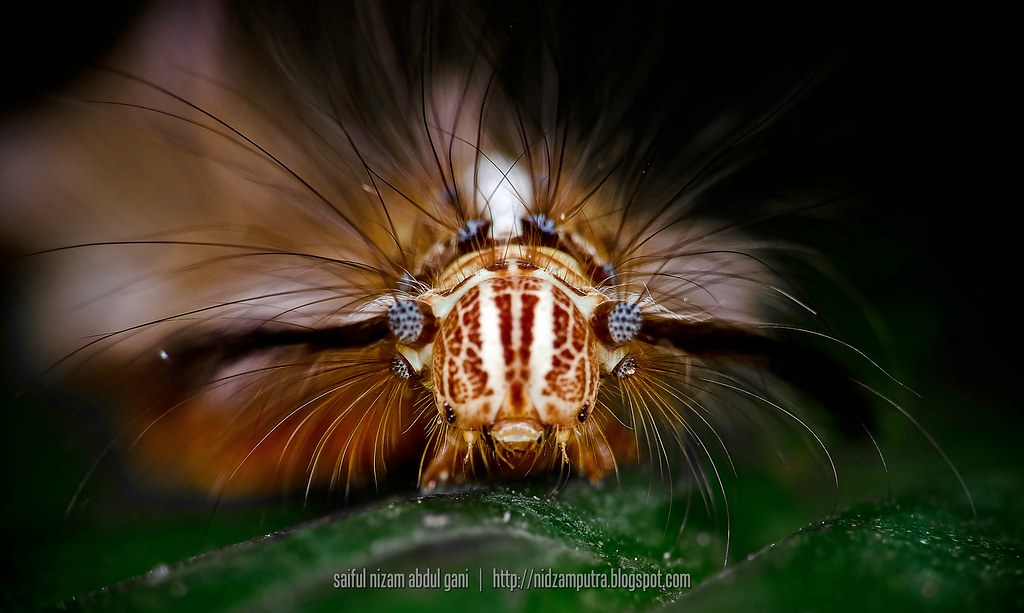
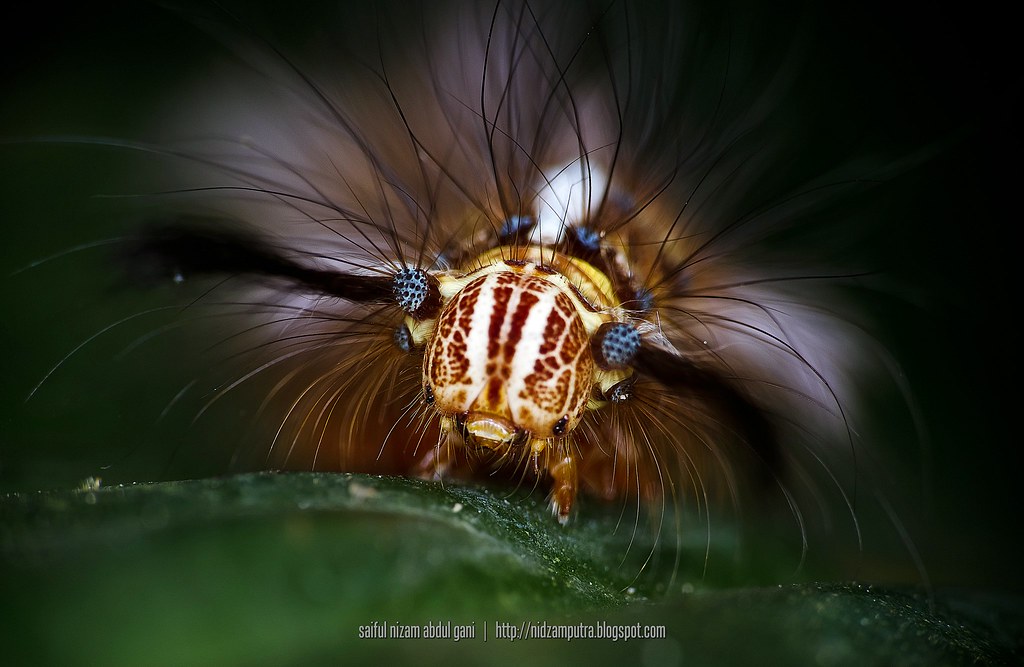
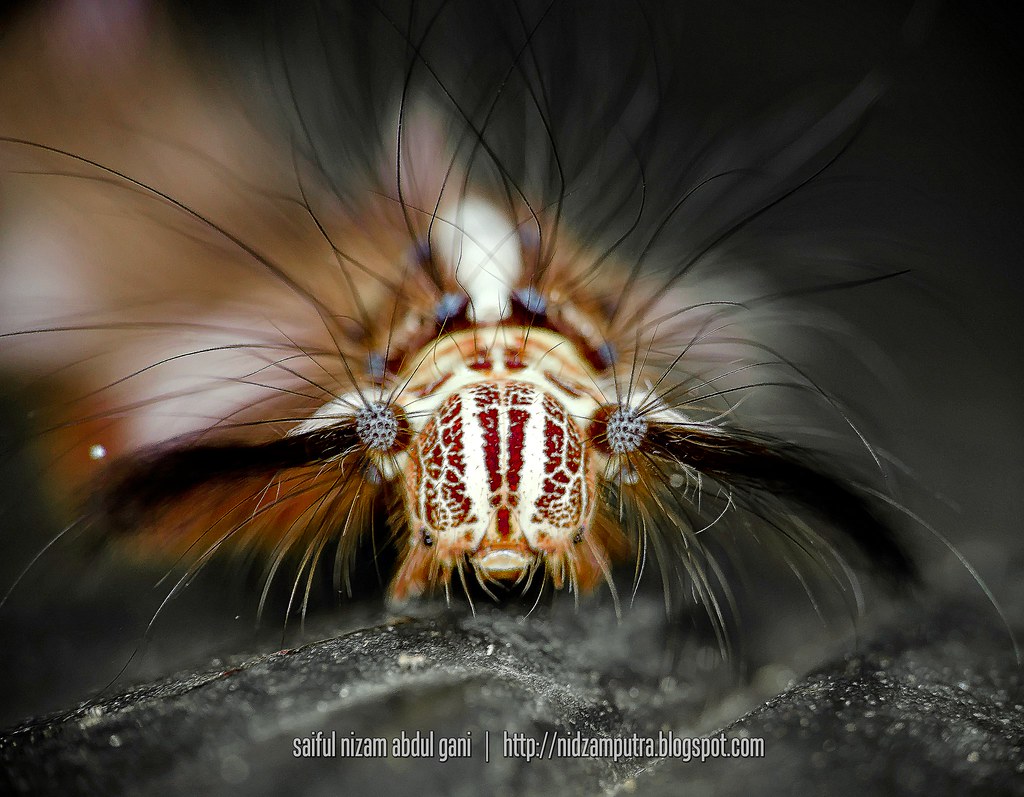
Lymantriidae @ Taman Rekreasi Lembah Kiara

Information

       Lymantriidae is a family of moths. Many of its component species are referred to as "Tussock moths" of one sort or another. The caterpillar, or larval, stage of these species often has a distinctive appearance of alternating bristles and haired projections. Like other families of moths, many Tussock Moth caterpillars have urticating hairs (often hidden among longer, softer hairs) which can cause painful reactions if they come into contact with skin.
      The family Lymantriidae includes about 350 known genera and over 2,500 known species found all over the world, in every continent except Antarctica. They are particularly concentrated in sub-Saharan Africa, India, Southeast Asia and South America; one estimate lists 258 species in Madagascar alone (Schaefer, 1989). Apart from oceanic islands, notable places that do not host Lymantriids include New Zealand, the Antilles, and New Caledonia (Schaefer, 1989). Source : http://en.wikipedia.org/wiki/Lymantriidae


Camera - Nikon
Model - D7000
Exposure - 1/125s
Aperture - F14
Focal Length - 85mm + Raynox DCR250
ISO Value - 200
Camera - Nikon
Model - D7000
Exposure - 1/100s
Aperture - F11
Focal Length - 105mm + Raynox DCR250
ISO Value - 200
Camera - Nikon
Model - D7000
Exposure - 1/125s
Aperture - F11
Focal Length - 105mm + Raynox DCR250
ISO Value - 200
Camera - Nikon
Model - D7000
Exposure - 1/100s
Aperture - F11
Focal Length - 105mm + Raynox DCR250
ISO Value - 100